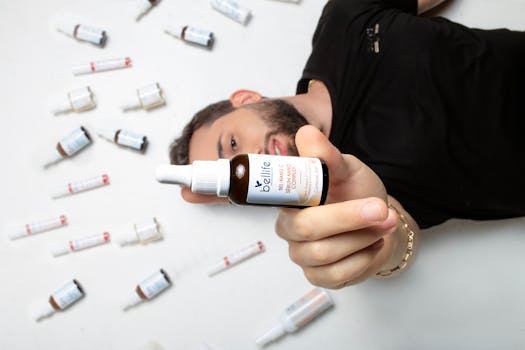
Imagine walking into a boutique, browsing shelves stocked with beautiful products, and finding a line of exquisite oils – perhaps a soothing lavender essential oil, a nourishing argan facial serum, or a robust olive oil for culinary adventures. Now, imagine your brand name adorning those bottles. This isn’t a far-fetched dream; it’s the tangible reality of choosing to private label your oils. Many entrepreneurs and businesses see the immense potential in the booming oils market, but launching a signature product from scratch can feel daunting. This is where the strategic brilliance of private labeling comes into play, offering a powerful shortcut to market presence and brand loyalty.
It’s more than just slapping your logo on a generic product. Private labeling, when done right, is about curating an experience, building trust, and speaking directly to your ideal customer through high-quality oil formulations that align perfectly with your brand ethos. In my experience, the most successful private label ventures aren’t just about profit; they’re born from a deep understanding of consumer needs and a passion for delivering exceptional value.
Why Private Label Your Oils? Unpacking the Strategic Advantage
The allure of private labeling lies in its ability to offer a customized product without the immense overhead of in-house manufacturing and formulation. You leverage the expertise and established infrastructure of a third-party manufacturer, allowing you to focus on what you do best: marketing, branding, and connecting with your audience.
Brand Differentiation: In a crowded marketplace, having your own branded oil products sets you apart. It allows you to carve out a unique niche and build a recognizable identity.
Higher Profit Margins: By cutting out the middleman and controlling your product sourcing and pricing, you can achieve significantly better profit margins compared to reselling existing brands.
Quality Control: You select the manufacturer, the ingredients, and the formulation. This gives you a high degree of control over the quality and integrity of your final product.
Faster Time to Market: Developing a new product from inception can take years. Private labeling significantly accelerates this process, allowing you to launch your branded oils much sooner.
Brand Loyalty: When customers connect with your unique oil formulations and branding, they are more likely to become loyal patrons, repeatedly choosing your products over generic alternatives.
Navigating the Formulation Maze: What Makes Your Oil Unique?
When you decide to private label your oils, you’re not just buying a product; you’re commissioning a vision. The formulation is the heart of your offering, and its uniqueness is what will capture consumer attention. This involves delving into the specific oils you want to offer and understanding their benefits and appeal.
#### Essential Oils: The Aroma of Opportunity
The essential oil market continues to explode, driven by consumer interest in natural wellness and aromatherapy. Whether you’re targeting relaxation, energy, or specific skin concerns, choosing the right essential oils and blends is paramount.
Popular Choices: Lavender for calm, peppermint for focus, tea tree for cleansing, frankincense for grounding – these are just a few staples.
Carrier Oils: Don’t forget the base! Jojoba, almond, coconut, and grapeseed oils are excellent carriers that dilute essential oils and offer their own skin-nourishing benefits.
Synergistic Blends: The magic often lies in how oils are combined. Developing proprietary blends for specific purposes (e.g., sleep aid, muscle relief, immune support) can be a major selling point.
#### Specialty Oils: Beyond the Basics
The world of oils extends far beyond aromatherapy. Consider the diverse needs of your target audience:
Skincare Oils: Argan, rosehip, squalane, and marula oils are prized for their anti-aging, hydrating, and revitalizing properties.
Culinary Oils: High-quality extra virgin olive oils, infused oils (garlic, chili), and specialty seed oils can appeal to food enthusiasts and home chefs.
Haircare Oils: Coconut, castor, and rosemary oils are highly sought after for hair growth and conditioning.
The Private Label Process: From Concept to Consumer
Embarking on a private labeling journey requires a structured approach. Understanding the steps involved will make the process smoother and more successful.
#### Step 1: Define Your Brand and Target Audience
Before you even speak to a manufacturer, clarity is key. Who are you selling to? What is your brand’s personality? What problem are your oils solving? For instance, are you aiming for the luxury spa market, the eco-conscious consumer, or the fitness enthusiast seeking post-workout recovery oils?
#### Step 2: Research and Select Your Manufacturer
This is arguably the most critical step. Look for manufacturers with a proven track record, certifications (e.g., GMP, organic), and a willingness to collaborate.
Ask for Samples: Always test product samples thoroughly.
Check Minimum Order Quantities (MOQs): Ensure their MOQs align with your initial investment capacity.
Inquire About Customization: Can they create custom blends or use specific ingredients you require?
#### Step 3: Develop Your Product Specifications
Work closely with your chosen manufacturer to finalize the formulation, scent profiles, ingredient lists, and desired packaging. This is where you bring your vision to life.
#### Step 4: Design Your Branding and Packaging
Your packaging is your silent salesperson. It needs to be attractive, informative, and reflective of your brand.
Label Design: Ensure it includes all necessary information (ingredients, usage, warnings) and looks professional.
Bottle and Cap Selection: The aesthetic and functional choice of bottles and caps matters immensely.
Brand Story: How can your packaging communicate the unique story behind your oils?
#### Step 5: Quality Control and Testing
Before a large batch is produced, ensure you have a rigorous quality control process. This includes testing the product for consistency, efficacy, and safety.
Beyond the Transaction: Building a Thriving Oil Brand
Successfully choosing to private label your oils is just the beginning. Building a sustainable and profitable brand requires ongoing effort and a strategic approach to market engagement.
Marketing and Sales: Develop a comprehensive marketing strategy. This could involve social media campaigns, influencer collaborations, content marketing, and paid advertising.
Customer Service: Excellent customer service is non-negotiable. Promptly address inquiries, handle complaints gracefully, and foster a positive customer experience.
Gather Feedback: Continuously solicit feedback from your customers. This invaluable insight can help you refine existing products and identify opportunities for new ones.
* Stay Ahead of Trends: The oils market is dynamic. Keep an eye on emerging ingredients, consumer preferences, and scientific research to ensure your product line remains relevant and competitive.
Final Thoughts: Your Brand’s Oleaginous Future
Choosing to private label your oils is a powerful strategy for entrepreneurs and established businesses alike. It offers a pathway to market entry with your own distinct product, fostering brand identity and customer loyalty. By carefully defining your vision, partnering with the right manufacturers, and committing to quality and marketing, you can transform your brand into a recognized name in the lucrative oils industry. The journey from concept to a beautifully bottled product is an exciting one, filled with opportunity and the potential for significant growth. Now, go forth and create something remarkable!