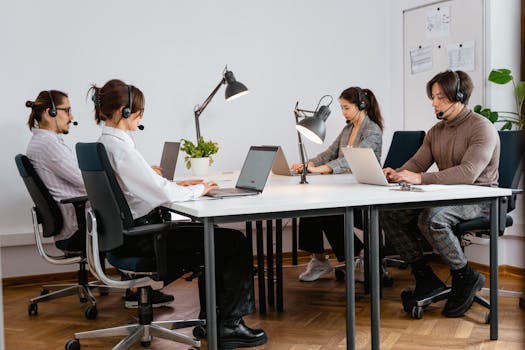
We’ve all been there. That half-hearted attempt at productivity, hunched over the dining table with a laptop precariously balanced next to a half-eaten breakfast, the family dog sighing dramatically at your feet. It’s a scene many of us have become intimately familiar with, especially in recent years. But what if I told you there’s a way to elevate your work-from-home experience from chaotic to controlled, from distracting to deeply focused? It all begins with setting up a dedicated workspace. This isn’t just about having a desk; it’s about creating a sanctuary, a command center where your best ideas can flourish and your most demanding tasks can be conquered.
The Psychological Power of a Designated Zone
Why is the concept of a dedicated workspace so potent? It’s rooted in psychology. Our brains are remarkably good at creating associations. When you consistently use a specific space for work, your mind begins to associate that area with focus and productivity. Conversely, using your bedroom for work can blur the lines between rest and responsibility, leading to stress and burnout.
Think about it: when you walk into your dedicated workspace, your brain gets a subtle signal: “It’s time to focus.” This mental cue can significantly reduce the effort needed to transition into work mode, saving precious cognitive energy. It’s about establishing a clear physical boundary that translates into a mental one, helping you switch on your work persona and, just as importantly, switch it off when the day is done. This separation is crucial for maintaining a healthy work-life balance, a challenge many remote workers grapple with.
Finding Your Niche: Space is Relative, Intent is Absolute
The biggest hurdle for many when considering setting up a dedicated workspace is the perceived need for a large, separate room. While an ideal scenario, it’s simply not realistic for everyone. The beauty of creating a dedicated zone lies in its adaptability.
#### The Corner Office, No Matter the Square Footage
The Nook: Even a small alcove or a generously sized closet can be transformed. Add a compact desk, good lighting, and some shelving, and you’ve got a functional workspace.
The Partitioned Area: In an open-plan living space, consider using a room divider, a large bookshelf, or even a strategically placed plant to visually separate your work area from the rest of your home. This creates a sense of enclosure without requiring walls.
The Multi-Purpose Room Makeover: If you have a guest room or a den, you can integrate a desk that complements the existing decor. When guests arrive, the workspace can be subtly tucked away or disguised.
The key takeaway here is that setting up a dedicated workspace is less about the size of the space and more about its intentionality. It’s about designating a specific spot solely for your professional endeavors.
Ergonomics: Your Body Will Thank You
Once you’ve identified your space, the next critical step is making it comfortable and supportive. Poor ergonomics can lead to a host of issues, from back pain and neck strain to headaches and eye fatigue. Investing in your comfort isn’t a luxury; it’s an investment in your long-term well-being and productivity.
#### Building Your Ergonomic Foundation
The Chair: This is arguably the most important piece of furniture. Look for a chair that offers adjustable height, lumbar support, and armrests. Your feet should be flat on the floor, and your arms should be at a comfortable angle when typing.
The Desk Height: Your desk should allow your forearms to rest parallel to the floor while typing, with your elbows at roughly a 90-degree angle. If your desk is too high, consider a keyboard tray or a footrest.
Monitor Placement: Position your monitor directly in front of you, at arm’s length. The top of the screen should be at or slightly below eye level. This prevents neck strain from looking up or down.
Lighting: Natural light is ideal, but ensure it doesn’t create glare on your screen. Supplement with task lighting, like a desk lamp, to reduce eye strain, especially during darker hours.
Don’t underestimate the impact of these seemingly small details. A well-designed ergonomic setup can make the difference between enduring your workday and truly enjoying it.
Cultivating Focus: Minimizing Distractions, Maximizing Flow
The allure of the home environment can be a double-edged sword. While offering flexibility, it also presents a constant stream of potential distractions – the lure of the TV, household chores, family interruptions. Setting up a dedicated workspace is your first line of defense against these productivity pirates.
#### Strategies for a Distraction-Free Haven
Declutter Ruthlessly: A cluttered desk equals a cluttered mind. Keep only essential items within reach and store the rest away. A tidy space promotes a tidy thought process.
Noise Management: If household noise is an issue, consider noise-canceling headphones. Communicate your work hours and need for quiet time to your family or housemates.
Digital Detox (Within Your Workspace): Keep your work devices focused on work. Resist the urge to browse social media or check personal emails unless it’s part of your job. Consider using website blockers if self-control is a challenge.
Establish Boundaries: This is perhaps the most crucial element. Train yourself (and others in your household) to treat your workspace as just that – a place for work. When you’re in this zone, you’re “at work.” When you leave it, you’re “off the clock.”
In my experience, the most successful home offices are those where clear boundaries have been established. It takes discipline, yes, but the rewards in terms of increased focus and reduced stress are immense.
Personalization: Making It Yours
While functionality is paramount, don’t forget the power of personalization. A workspace that reflects your personality and inspires you can significantly boost motivation and creativity.
#### Injecting Your Style
Inspirational Decor: Add a few personal touches – a favorite piece of art, a plant that thrives in your environment, or a motivational quote.
Color Psychology: Consider the impact of colors. Blues and greens can promote calmness and focus, while yellows can stimulate creativity.
Sensory Elements: Think about scent (a subtle essential oil diffuser) or background music (instrumental tracks are often best for focus).
Ultimately, setting up a dedicated workspace is a journey. It’s about creating an environment that supports your unique work style, enhances your well-being, and empowers you to do your best work, day in and day out. It’s about transforming a corner of your home into a powerful engine of productivity.
Final Thoughts: The Proactive Approach to Productivity
The act of setting up a dedicated workspace is more than just arranging furniture; it’s a proactive investment in your professional success and personal well-being. Start small, be adaptable, and prioritize comfort and focus. Your future, more productive self will thank you for it.