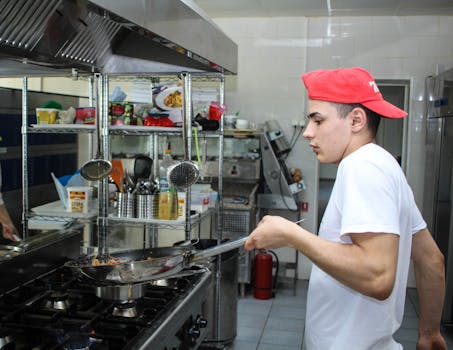
Imagine pulling a perfectly seared scallop from a hot pan, its surface golden brown and caramelized, while the inside remains tender and succulent. Or perhaps you’ve marveled at a chef’s ability to transform simple vegetables into vibrant, deeply flavorful components that steal the show. What’s the secret? It’s rarely just about the ingredients themselves, but rather the culinary techniques employed to coax the best out of them. These aren’t just steps in a recipe; they are the fundamental building blocks of deliciousness, the silent orchestrators of texture, aroma, and taste. Have you ever stopped to consider why a braised dish tastes so profoundly different from a stir-fry, even when using similar ingredients? The answer lies in how heat is applied, how moisture is managed, and how flavors are developed through deliberate action.
The Foundation: Why Mastering Techniques Matters
Many home cooks focus so heavily on following recipes to the letter, that they overlook the why behind each instruction. Understanding core culinary techniques moves you from being a recipe follower to a confident cook. It allows you to adapt, improvise, and truly understand how food behaves. When you grasp the principles of, say, sautéing, you’re not just cooking onions in a pan; you’re engaging in a process of controlled caramelization and rapid flavor development. This knowledge is transferable, empowering you to troubleshoot a dish that isn’t quite right or to elevate a simple meal into something extraordinary. In my experience, this shift in perspective is where true culinary confidence begins to bloom.
The Alchemy of Heat: Browning, Simmering, and Roasting
Heat is arguably the most powerful tool in the kitchen, and how we wield it dictates everything from texture to flavor.
#### The Maillard Reaction: More Than Just Brown
That beautiful brown crust on your steak, the nutty aroma of roasted vegetables, the deep color of a good stew – this is the magic of the Maillard reaction. It’s a complex chemical process that occurs between amino acids and reducing sugars at elevated temperatures. It’s not just about aesthetics; it’s a primary driver of savory (umami) flavor.
Achieving the Perfect Sear: To maximize browning, ensure your pan is hot enough and your ingredients are dry. Moisture is the enemy of a good sear, as it steams rather than browns. Don’t overcrowd the pan; this lowers the temperature and leads to steaming.
Roasting for Depth: Roasting, often at higher temperatures, encourages both browning and evaporation, concentrating flavors and creating desirable crispy edges. Think of those addictive roasted potatoes – a testament to this technique.
#### Gentle Heat: The Art of Simmering and Poaching
Not all cooking requires high heat. Simmering and poaching are about gentle, sustained heat, ideal for tenderizing tougher cuts of meat or delicately cooking proteins like fish and eggs.
Simmering: A gentle bubble, just breaking the surface, is key. This slow, moist heat breaks down connective tissues in meats, making them fork-tender over time. It’s also perfect for developing broths and stocks.
Poaching: Submerging food in liquid at a temperature below a simmer (around 160-180°F or 71-82°C) is ideal for delicate items. It preserves their moisture and delicate texture, preventing them from toughening. Ever had a perfectly poached egg? It’s a beautiful demonstration of this technique.
Knife Skills: The Unsung Heroes of Precision
Before any cooking begins, the precision of your cuts can dramatically impact the outcome. Mastering basic knife skills isn’t just about looking professional; it’s about ensuring even cooking and pleasing presentation.
#### Uniformity is Key
Why do chefs insist on uniformly cut vegetables? It’s simple: even cooking. If your carrots are cut into wildly different sizes, some will be mushy while others remain stubbornly raw.
The Dice, Julienne, and Chop: Each cut serves a purpose. A julienne provides delicate texture for salads or stir-fries. A brunoise (very fine dice) melts into sauces. A rougle (chunkier dice) is ideal for stews where you want distinct pieces.
Sharpen Your Blades: A sharp knife is a safe knife. It glides through food, requiring less force and reducing the risk of slipping. It also results in cleaner cuts, which, believe it or not, can affect how food cooks and holds moisture.
Emulsification: Creating Harmony in Sauces
Have you ever wondered how creamy dressings and smooth hollandaise sauces are made? The answer often lies in the art of emulsification. This is the process of bringing together two liquids that don’t normally mix, like oil and water (or vinegar), to create a stable, cohesive mixture.
#### The Science of Stable Sauces
An emulsion relies on an emulsifying agent to bind the two liquids. Common agents include egg yolks, mustard, or even finely pureed ingredients.
Vinaigrettes: A classic example. Whisking oil and vinegar vigorously, or using mustard as an emulsifier, creates a dressing that coats your salad beautifully. Adding a touch of honey or a pinch of salt can also aid stability.
Mayonnaise and Hollandaise: These are more complex emulsions, often requiring slow addition of the fat to the base while whisking constantly. It’s a process that demands patience but yields incredibly rich and satisfying results. I’ve found that a slightly warmer base liquid can sometimes help create a more stable emulsion for things like hollandaise.
Flavor Building: Beyond Salt and Pepper
While salt and pepper are essential, true flavor depth comes from understanding how to build layers of taste. This involves techniques that coax out inherent flavors and introduce complementary ones.
#### Aromatics: The Flavor Foundation
The foundation of many cuisines relies on aromatics – ingredients like onions, garlic, carrots, and celery (mirepoix in French cooking) that are gently cooked to release their sweet, savory, and aromatic compounds.
Sweating vs. Sautéing: Sweating involves cooking vegetables over low heat with a lid on to soften them and release moisture without browning. Sautéing, as we’ve discussed, uses higher heat for browning and rapid cooking. Both techniques develop different flavor profiles.
The Power of Herbs and Spices: Understanding when to add fresh herbs (often towards the end of cooking to preserve their bright flavor) versus dried spices (which benefit from longer cooking to release their oils) is crucial for maximizing their impact.
Final Thoughts: Your Culinary Journey Awaits
Embarking on a journey through culinary techniques is akin to learning a new language – a language of flavor, texture, and aroma. It’s about understanding the fundamental principles that underpin every delicious dish. Don’t be afraid to experiment. Start by focusing on one technique at a time, perhaps perfecting a simple pan-sear or mastering a basic vinaigrette. Pay attention to the nuances, the subtle changes that occur as you cook. The more you practice and observe, the more intuitive these techniques will become, transforming your cooking from merely following instructions to creating edible art.
Elevate Your Cooking: One Technique at a Time
My advice? Pick one technique you’ve always been curious about – maybe it’s making a perfect béchamel sauce or mastering the art of poaching an egg – and dedicate your next cooking session to it. Observe, taste, and adjust. The rewards are immense.