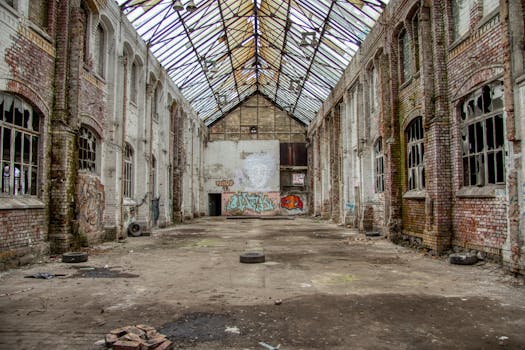
Let’s face it, most of us have that spot in the garden. You know the one. It’s the perpetually shady corner where nothing grows but stubborn weeds, the awkward sloped bit that’s a tripping hazard, or perhaps a patch of cracked concrete that screams “forgotten relic.” For years, I’d walk past mine, sighing dramatically, imagining all the glorious outdoor living it could be, if only it weren’t… well, unusable. It’s a common lament, isn’t it? We dream of al fresco dining and tranquil reading nooks, but our reality is often a collection of neglected no-man’s-lands. The good news? These neglected nooks are prime real estate for a little creative genius. With the right approach, even the most forlorn patch can be artfully resurrected, proving that transforming unusable outdoor spaces isn’t just possible, it’s often the most rewarding garden project.
Why Bother With That Awkward Acreage?
You might be thinking, “Why invest time and money into a space I can barely use?” The answer is simple: maximizing your home’s potential. An unusable outdoor space is wasted opportunity. It’s like having a spare room you keep locked because it’s a bit dusty. Not only does a revitalized outdoor area add aesthetic appeal and increase your property’s value, but it also significantly enhances your quality of life. Imagine extending your living space outdoors, creating a secluded sanctuary for yourself, or a vibrant hub for entertaining. It’s about creating memories, enjoying nature, and getting more bang for your buck (and your gardening gloves).
Identifying Your Outdoor “Problem Child”
Before we grab our trowels and get to work, we need to understand what makes our particular outdoor space “unusable.” Is it:
Shade So Deep You Can Grow Mushrooms for a Living? Permanent shade from large trees, buildings, or fences can make plant life a challenge.
Slopes That Would Make a Mountain Goat Sweat? Steep inclines are erosion risks and difficult to navigate or utilize.
The Land of Unwanted Puddles? Poor drainage can turn a patch of dirt into a mini-swamp after a light shower.
A Concrete Jungle Remnant? Old patios, broken pathways, or slabs of concrete that serve no purpose.
The Windy Corridor of Doom? Exposed areas that are simply too unpleasant to spend time in.
Just Plain Ugly? Sometimes, it’s a combination of factors that makes a space an eyesore.
Pinpointing the exact issue is the first step in finding the right solution. It’s like diagnosing the ailment before prescribing the cure, and trust me, no one wants a garden that’s perpetually unwell.
Creative Solutions for Challenging Terrains and Conditions
Once you’ve identified your outdoor space’s particular brand of “unusable,” the fun really begins! Here’s where we get clever.
#### Conquering the Shade: Embrace the Gloom
Don’t despair if sunlight is a stranger to your problem patch. Instead, lean into it!
Shade-Loving Plants: Many beautiful plants actually thrive in shade. Think ferns, hostas, impatiens, astilbe, and certain varieties of heuchera. These can create a lush, verdant escape.
Create a Woodland Retreat: Introduce elements that complement a shady atmosphere. A small water feature, like a trickling fountain, adds soothing sound and a touch of magic. Consider adding moss-covered stones or even a rustic wooden bench.
Strategic Lighting: Uplighting plants or pathways can create dramatic shadows and a mystical ambiance after dark. It’s surprising how much atmosphere good lighting can bring to a shady spot.
#### Taming the Slopes: Levels and Layers
Sloping gardens don’t have to be a headache; they can be a design feature!
Terracing: This is the classic solution for steep slopes. Build low retaining walls (using stone, timber, or even concrete blocks) to create flat, usable levels. These can then be planted or used for seating areas.
Meandering Paths: Instead of fighting the slope, work with it. A winding path made of gravel, stepping stones, or even wood chips can make the incline feel less daunting and more inviting. It adds a sense of discovery as you wander through your garden.
Groundcover and Rock Gardens: On less steep sections, hardy groundcovers or a well-designed rock garden can stabilize the soil and add texture.
#### Battling the Bog: Drainage is Key
Nobody enjoys soggy feet in their outdoor oasis. Addressing drainage is crucial for transforming unusable outdoor spaces that become waterlogged.
Improve Soil Drainage: Amending the soil with organic matter like compost and grit can significantly improve its ability to drain.
French Drains: For persistent problems, a French drain system can be installed to channel excess water away from the area. It’s a bit more involved, but highly effective.
Bog Gardens: Alternatively, if you can’t beat it, join it! Embrace the moisture and create a bog garden with plants that love wet feet, such as irises, sedges, and cardinal flowers.
#### Demolishing the Dead Zones: Creative Cover-Ups
That unwanted concrete slab or cracked patio doesn’t have to be a permanent fixture.
Decking or Paving: Cover it! A new deck or a fresh layer of attractive paving stones can completely transform an eyesore into a functional patio or seating area.
Gravel or Bark: For less formal areas, a thick layer of gravel or bark can suppress weeds and create a clean, usable surface for seating or a fire pit.
Vertical Gardens and Green Walls: If the issue is a stark wall or fence, consider creating a vertical garden. This adds greenery and softens harsh lines without taking up much ground space.
Integrating Functionality: More Than Just Pretty Plants
The true magic of transforming unusable outdoor spaces lies in making them useful. Think about how you want to use the area.
A Cozy Nook for Reading: Add a comfortable chair, a small side table, and perhaps a freestanding lamp for evening reading.
An Al Fresco Dining Spot: Install a small table and chairs, perhaps a built-in bench, and ensure it’s easily accessible from the house.
A Play Area for Kids (or Pets): Soften the surface with play bark or artificial turf, and add a small, safe play structure or designated digging area.
A Serene Meditation Zone: Incorporate elements of calm, like a small water feature, wind chimes, and a comfortable place to sit and reflect.
* A Biodiverse Haven: Plant native species to attract pollinators like bees and butterflies. This is a fantastic way to add life and purpose to a forgotten corner.
Remember to consider factors like access to power for lighting or water for irrigation when planning.
Bringing it All Together: The Final Flourish
Transforming unusable outdoor spaces is a journey, not a destination. It requires vision, a willingness to get your hands dirty, and a bit of creative problem-solving. Don’t be afraid to experiment. What works for one garden might not work for another, and that’s perfectly okay.
Wrapping Up Your Outdoor Transformation
The key takeaway is that “unusable” is often just a state of mind (or a lack of imagination!). By identifying the specific challenges of your neglected areas and applying creative, practical solutions, you can unlock incredible potential. From dense shade to tricky slopes, every garden corner has a story waiting to be rewritten. So, ditch the sighs, grab your gardening gloves, and start planning your own stunning transformation. Your future, more enjoyable outdoor self will thank you for it!