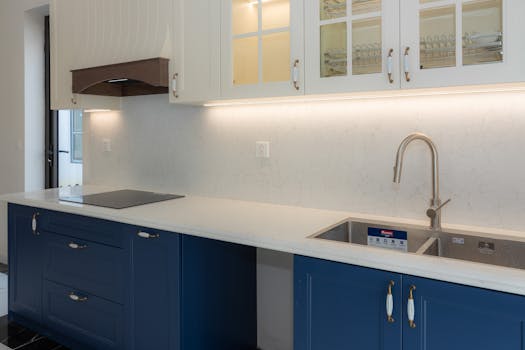
Did you know that the average person spends an astounding amount of time in their kitchen each week? Whether it’s cooking, entertaining, or simply enjoying a morning coffee, this central hub of the home deserves careful consideration, especially when it comes to its most dominant feature: the cabinets. For many, the idea of sourcing “kitchen cabinets online” conjures up a mix of excitement and apprehension. We’re moving beyond the local showroom, embracing a digital-first approach, but what does that truly entail for your renovation or remodel? It begs the question: are we ready to trust the virtual world with such a significant investment?
The Allure of the Click: Why So Many Are Exploring Kitchen Cabinets Online
It’s undeniable; the convenience factor is a massive draw. No longer are we tethered to the operating hours of brick-and-mortar stores or limited by the local inventory. The internet offers an almost limitless buffet of styles, materials, and price points. Think about it – you can browse from the comfort of your couch, at 2 AM, with a cup of tea, comparing options from across the country, or even the globe. This accessibility alone has democratized kitchen design, making bespoke looks and premium finishes more attainable than ever before.
Furthermore, the wealth of information available online is unprecedented. Customer reviews, detailed product descriptions, and even virtual design tools can provide insights that were once the exclusive domain of interior designers. It’s a powerful shift, empowering homeowners to become their own design curators. But with such a vast digital ocean, how do we find the pearls without getting lost at sea?
Navigating the Digital Showroom: What to Look for When Buying Kitchen Cabinets Online
When you’re scrolling through endless images of shaker, slab, or inset doors, it’s easy to get mesmerized. However, the real art lies in discerning quality and suitability from behind a screen. First and foremost, material matters. Are you looking at solid wood, plywood, or particleboard? While particleboard can be budget-friendly, it’s often less durable and susceptible to moisture damage, something you absolutely want to avoid in a kitchen environment. Plywood, especially cabinet-grade plywood, is generally considered a superior choice for its strength and stability.
Secondly, consider the construction of the cabinets themselves. Look for details like dovetail drawer construction, full-extension drawer glides, and soft-close hinges. These features, while perhaps seeming minor, significantly impact the longevity and daily usability of your cabinets. Manufacturers selling “kitchen cabinets online” often provide detailed specifications; take the time to scrutinize them. Don’t be afraid to dig into the “about us” section or seek out information on their manufacturing processes.
Beyond the Pretty Picture: Unpacking the “Hidden” Costs and Considerations
We’ve all heard stories of online purchases not quite matching expectations. This is a risk that’s amplified when dealing with large, impactful items like kitchen cabinets. One crucial aspect to investigate is shipping and delivery. How are the cabinets packaged? What is the estimated delivery time? Are there any hidden fees associated with delivery, especially to more remote locations? Some companies offer free shipping, while others charge a premium. Understanding this upfront can prevent significant budget overruns.
Another area often overlooked is the return policy. While most reputable online retailers have one, the specifics can vary wildly. Are you responsible for return shipping costs? Is there a restocking fee? What is the timeframe for returns? Because you can’t physically touch or inspect the cabinets before purchase, a robust and fair return policy provides a vital safety net. It’s also worth considering the availability of replacement parts down the line. Will you be able to easily order a replacement drawer front or shelf if one gets damaged years from now?
Bringing Your Vision to Life: The Role of Visualization and Samples
One of the biggest challenges when buying “kitchen cabinets online” is the inability to truly gauge color, finish, and texture. Photos, while helpful, can be misleading due to variations in screen calibration and lighting. This is where sample programs become invaluable. Most reputable online cabinet sellers offer the ability to order door samples. I’ve always found this to be a non-negotiable step. It allows you to see how the chosen color looks in your actual kitchen lighting, next to your countertops and flooring.
Beyond physical samples, many online platforms are integrating virtual design tools and augmented reality (AR) features. While not perfect, these can offer a surprisingly accurate representation of how different cabinet styles and colors might look in your space. Experimenting with these tools can help refine your choices and prevent costly mistakes. It’s about building confidence in your digital selections before committing.
Is the Online Route Right for Your Kitchen Project?
The world of “kitchen cabinets online” is evolving at a rapid pace, offering unprecedented convenience and choice. For the savvy shopper who invests time in research, understands material and construction quality, and meticulously examines shipping and return policies, it can be an incredibly rewarding way to achieve a dream kitchen. It empowers you to be in the driver’s seat of your design journey, potentially unlocking significant savings and access to a broader range of styles. However, for those who prefer a tangible, hands-on approach or have very specific, complex design needs, a traditional showroom experience might still hold more appeal. It’s not about one being inherently better, but about understanding which approach best aligns with your personal preferences, project scope, and risk tolerance.
Wrapping Up: A Calculated Leap into Digital Design
Ultimately, the decision to buy kitchen cabinets online is a calculated one. It requires a shift in how we approach home renovation – embracing digital tools while remaining grounded in practical considerations. By doing your homework, prioritizing quality, and leveraging the resources available, you can confidently navigate the online landscape and emerge with a kitchen that’s both beautiful and functional, proving that the digital revolution can indeed enhance, rather than complicate, our most cherished spaces.