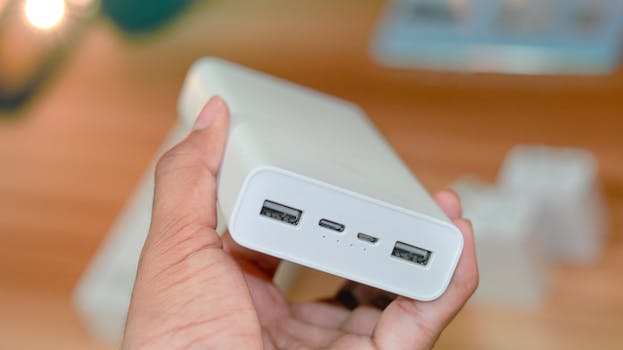
Let’s face it, the phrase “power outage” can send a shiver down even the most stoic homeowner’s spine. Suddenly, your smart fridge becomes a dumb cooler, your Wi-Fi goes dark, and your carefully curated playlist is silenced. For many, it’s a temporary inconvenience. For others, it’s a genuine disruption that leaves them feeling utterly disconnected. This is where the humble, yet mighty, home battery backup steps into the spotlight, ready to save the day (or at least the evening). But what exactly is this magical box, and is it just an expensive paperweight for the apocalypse-inclined? Let’s dive in.
What Exactly IS Home Battery Backup? More Than Just a Fancy Power Bank
Think of a home battery backup system as your house’s personal emergency fund for electricity. It’s a sophisticated energy storage system designed to store electricity generated from your solar panels (if you have them) or from the grid during off-peak hours, and then discharge it when you need it most – like during a blackout, or when electricity prices are sky-high. It’s not just for doomsday preppers; it’s for anyone who values uninterrupted comfort, security, and maybe even a bit of savvy energy management.
In essence, it’s a large, intelligent battery that connects to your home’s electrical system. When the grid goes down, this battery can seamlessly kick in, powering your essential appliances or even your entire home, depending on its size and your needs. It’s like having a silent, reliable guardian for your power supply.
Powering Through the Dark: How Does it Actually Work?
The magic of a home battery backup lies in its interconnectedness. Here’s a simplified breakdown of the dance it performs:
Charging Up: The battery can be charged in a few ways:
Solar Power: If you have solar panels, excess energy generated during sunny days is stored in the battery instead of being sent back to the grid (or if you choose to keep it all).
Grid Power (Off-Peak): Many utility companies offer lower electricity rates during off-peak hours (like overnight). Your battery can be programmed to charge then, essentially buying cheap electricity to use later.
Hybrid Approach: Most systems leverage both solar and off-peak grid charging for maximum efficiency and cost savings.
The Blackout Tango: When the grid power fails, a transfer switch (often built into the inverter system) automatically disconnects your home from the grid and switches to your battery’s stored power. This happens so quickly, you might not even notice the lights flicker.
Powering Your Life: The battery then supplies electricity to your designated circuits – whether it’s just your refrigerator and a few lights, or your entire home, including your air conditioning and entertainment systems.
Recharging the Reserve: Once grid power is restored, the system can switch back to grid power and begin recharging the battery from the grid or your solar panels, getting ready for the next potential interruption.
It’s a remarkably elegant solution to a persistent problem.
Beyond the Blackout: Unexpected Perks of Home Battery Backup
While the primary draw is undoubtedly emergency power, the benefits of a home battery backup extend far beyond simply keeping the lights on during an outage. It’s an investment that can pay dividends in several ways:
Energy Independence & Grid Resilience: You become less reliant on the traditional power grid. This is increasingly important as grids face challenges from aging infrastructure and extreme weather events.
Peak Shaving & Bill Reduction: As mentioned, by charging during off-peak hours and discharging during peak demand (when electricity is most expensive), you can significantly reduce your monthly electricity bills. This is particularly true in areas with Time-of-Use (TOU) electricity rates.
Solar Panel Optimization: If you have solar panels, a battery allows you to maximize your self-consumption of solar energy. Instead of sending excess solar power back to the utility company for a minimal credit, you store it for use when the sun isn’t shining. This is often more financially beneficial.
Grid Services & Virtual Power Plants (VPPs): In some regions, you can even earn money by allowing your battery to participate in grid services. Utilities or third-party aggregators can tap into your battery’s stored energy during times of high demand, effectively turning your home into a “virtual power plant.” It’s like getting paid to be a good grid citizen!
Peace of Mind: Knowing you have a reliable power source, regardless of what’s happening on the grid, offers invaluable peace of mind. No more scrambling for flashlights or worrying about spoiled food.
Is a Home Battery Backup the Right Choice for Your Castle?
This is the million-dollar question, isn’t it? Like choosing a new family pet, it’s not a decision to be made lightly. Several factors should guide your decision:
Your Grid Reliability: How often do you experience power outages? Are they short blips or prolonged disruptions? If your power flickers more often than a bad reality TV show, a battery backup is a strong contender.
Your Energy Usage Habits: Do you have many power-hungry appliances? Are you home during peak electricity pricing hours? Understanding your consumption patterns is key.
Your Solar Panel Investment: If you already have solar, a battery is a natural and highly complementary addition to maximize your investment.
Your Budget: Home battery backup systems represent a significant upfront investment. However, consider the long-term savings on electricity bills, potential earnings from grid services, and the intangible benefit of reliable power. The costs have been steadily decreasing, making them more accessible than ever.
Your Home’s Electrical System: Your existing electrical panel and wiring will need to be assessed to ensure compatibility and safe integration.
It’s wise to get a few quotes from reputable installers and have them perform a site assessment. They can help you determine the right system size (measured in kilowatt-hours, kWh) and power capacity (kilowatts, kW) for your specific needs. Don’t just pick the biggest one; that would be like buying a Hummer for a trip to the corner store – overkill and thirsty!
Navigating the Labyrinth: Key Considerations Before You Buy
So, you’re leaning towards giving your home some electrical backbone. Excellent! But before you sign on the dotted line, keep these crucial points in mind:
System Sizing is Crucial: Too small, and you won’t power what you need. Too large, and you’ve overspent. Work with an installer to calculate your essential loads and preferred comfort level. Do you want to run your whole house, or just keep the fridge and internet going?
Inverter Technology Matters: The inverter is the brain of the operation, converting DC power from the battery (or solar) to AC power for your home. Look for efficient, reliable inverters, and understand if they offer seamless transition during outages. Some systems integrate the battery and inverter into one neat package, while others are separate components.
Battery Chemistry & Lifespan: Most home batteries today use lithium-ion technology, which is efficient and has a decent lifespan. Pay attention to the warranty period and expected number of charge cycles. It’s an investment that needs to last.
Installation Expertise: This isn’t a DIY job for the faint of heart (or the legally inclined). Ensure your installer is certified, experienced, and familiar with local codes and regulations. A shoddy installation can be more dangerous than no installation at all.
Software & Monitoring: Most modern systems come with user-friendly apps that allow you to monitor your battery’s status, energy flow, and charging schedules. This is where you’ll see your savings and gain insights into your energy consumption. It’s quite satisfying to watch your battery work for you!
* Incentives & Rebates: Depending on your location, there may be federal, state, or local incentives, tax credits, or rebates available for installing home battery backup systems. These can significantly reduce the upfront cost. Do your homework!
Wrapping Up: Is Home Battery Backup Your Future?
Ultimately, a home battery backup is more than just a contingency plan; it’s a step towards greater energy independence, cost savings, and a more resilient home. While the initial outlay might seem substantial, the long-term benefits, coupled with the increasing frequency of grid disruptions, make it a compelling proposition for many homeowners.
Think of it as future-proofing your home against the unpredictable nature of our energy infrastructure. It’s about comfort, security, and smart energy management all rolled into one. So, when the next storm rolls in or the grid decides to take an unscheduled break, you can sit back, perhaps with a nice cup of tea (powered by your own stored energy, of course), and calmly ride it out. Your home battery backup is on duty.