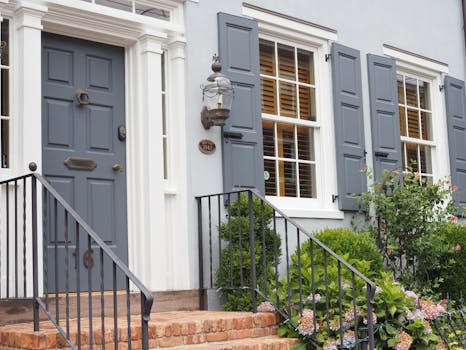
Let’s be honest. When we talk about “curb appeal,” what usually pops into our heads? Fresh paint, a tidy lawn, maybe some colorful flowers. And sure, those things are part of it. But in my experience, truly amazing curb appeal is less about checking boxes and more about creating a feeling. It’s the unspoken handshake your house offers to the world, and it can say so much more than just “I’m maintained.”
Think about it: before anyone even steps inside, they’ve formed an opinion. That first glance, that split-second impression – that’s the power of curb appeal. It’s not just about impressing the neighbors or boosting your property value (though it absolutely does those things!). It’s about making your home feel like a sanctuary the moment you drive up, and making visitors feel genuinely welcomed. It’s the difference between a house that just sits there and a home that truly welcomes you.
It’s More Than Just a Pretty Facade
So, if it’s not just about the obvious, what is it? It’s about cohesion and personality. It’s about how the elements of your home’s exterior work together to create a harmonious and inviting scene. It’s about reflecting who you are and how you live. Sometimes, I see homes that have all the “right” elements – a new door, manicured bushes – but they just feel… disconnected. There’s no narrative.
That’s where we can really elevate things. Instead of just slapping on new paint, let’s think about the story your home wants to tell. Does it lean towards classic charm? Modern simplicity? A cozy cottage vibe? Understanding this underlying personality is the first step to unlocking truly memorable curb appeal.
The Foundation: Color, Texture, and Light
Before we even get to the fun stuff like planters, let’s talk about the bones.
#### Painting with Purpose: Beyond a Fresh Coat
Sure, a new paint job can work wonders. But have you considered how you’re painting? It’s not just about picking a color you like; it’s about how that color interacts with your home’s architecture, your landscaping, and even the light in your neighborhood.
Architectural Style: A deep, rich navy might be stunning on a Victorian, but it could feel oppressive on a modern ranch. Think about colors that complement the era and style of your home.
Neighborhood Palette: While you want your home to stand out, you also don’t want it to clash violently with its surroundings. A subtle nod to the local aesthetic can be sophisticated.
The Power of Contrast: Don’t underestimate the impact of contrasting colors on trim, doors, and shutters. It’s like adding jewelry to an outfit – it adds definition and interest.
#### Material Magic: Adding Depth and Interest
The materials used on your home’s exterior contribute immensely to its character. Think about brick, stone, stucco, wood siding, or even vinyl.
Embrace Natural Textures: If you have beautiful brick or stone, highlight it! Sometimes, a good cleaning is all it needs. For less charming materials, consider adding stone accents or decorative shutters to introduce tactile interest.
Mixing and Matching (Wisely): A well-executed mix of materials can create a dynamic look. For instance, a stone base with wood siding can be incredibly appealing. The key is balance and ensuring the materials don’t fight for attention.
#### Lighting Up the Night: Functional Beauty
I’ve often found that exterior lighting is one of the most overlooked, yet impactful, elements of curb appeal. A well-lit home isn’t just safer; it’s more inviting and dramatic after dark.
Task Lighting: Illuminate pathways, your front door, and any steps for safety and ease of navigation.
Accent Lighting: Highlight architectural features like columns, interesting stonework, or beautiful trees.
The Warm Glow: Opt for warm-toned bulbs. Harsh, cool lights can feel sterile and unwelcoming.
The Living Elements: Bringing Your Home to Life
Now, for the parts that grow! This is where you can really inject personality and color.
#### Greenery with a Goal: Landscaping That Connects
Landscaping is so much more than just grass and a few shrubs. It’s about creating a welcoming transition from the street to your front door.
Define Your Entryway: Use planters, a low garden bed, or even a carefully placed tree to visually draw attention to your front door.
Layering is Key: Think about different heights and textures. Tall shrubs can provide privacy and structure, mid-height perennials add color and movement, and ground cover can soften edges.
Seasonal Interest: Don’t let your yard go dormant after spring. Choose plants that offer color, texture, or berries throughout the year. This is a fantastic way to maintain appeal.
#### Welcoming Touches: The Details That Matter
This is where you can really let your personality shine and add those charming touches that make a house feel like a home.
The Front Door: It’s the focal point! A beautiful, well-maintained door in an attractive color can transform your entrance. Consider a new knocker, a stylish kick plate, or even some elegant door hardware.
Mailbox Makeover: Don’t let a battered mailbox bring down your entire presentation. A new, attractive mailbox can make a surprising difference.
Window Boxes and Planters: These are your opportunities for pops of color and seasonal flair. Fill them with vibrant flowers, trailing vines, or even small herbs.
Outdoor Rugs and Seating: If you have a porch or patio, a welcoming outdoor rug and a comfortable chair or two can make your entrance feel like an extension of your living space.
Addressing the “Ugly Duckling” Areas
We all have them, right? That one spot that just… doesn’t quite work. Tackling these problem areas is crucial for a cohesive look.
#### The Driveway Dilemma
A cracked, stained, or overgrown driveway can be a real eyesore.
Power Washing: Often, a good power wash can work wonders on concrete or pavers.
Sealing and Repair: Fill cracks and seal your driveway to protect it and give it a uniform look.
Edging and Greenery: Ensure the edges are neat and consider planting low-lying shrubs or flowers along the sides to soften the hardscape.
#### The Entryway Ensemble
Is your entryway feeling a bit sparse or cluttered?
Declutter Ruthlessly: Remove anything that doesn’t serve a purpose or add to the aesthetic.
Strategic Decor: A tasteful welcome mat, a well-placed potted plant, and perhaps a small, decorative bench can make a world of difference.
Hardware Harmony: Ensure your door hardware, house numbers, and lighting fixtures have a cohesive style.
The Long-Term View: Sustainable Curb Appeal
Building great curb appeal isn’t just a one-time project. It’s an ongoing relationship with your home.
Regular Maintenance: Consistent upkeep is non-negotiable. Mowing, weeding, trimming, and cleaning will keep your efforts looking fresh.
Seasonal Swaps: Don’t be afraid to change out planters with the seasons. This keeps things dynamic and interesting.
Invest Wisely: Prioritize improvements that offer the biggest bang for your buck and align with your home’s style.
Final Thoughts: Your Home’s Narrative Awaits
Ultimately, achieving fantastic curb appeal is about more than just following a checklist. It’s about understanding your home’s unique character and using color, texture, light, and living elements to tell its story. It’s about creating an environment that not only looks good but feels good – a place that makes you happy to come home and proud to welcome others.
So, what narrative is your home trying to tell right now, and how can you help it speak even louder?