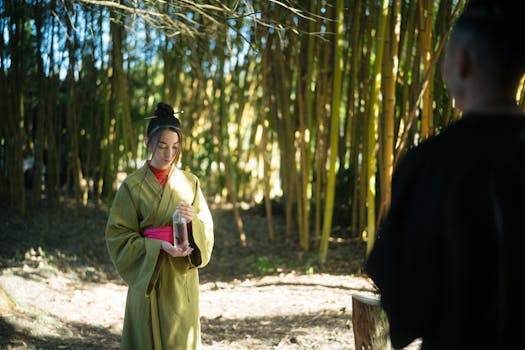
It’s a material that’s rapidly becoming a staple in our wardrobes, lauded for its eco-credentials and incredible feel. But what exactly are bamboo clothes, and why have they captured the attention of conscious consumers worldwide? You might be surprised to learn that bamboo fabric isn’t just a trendy textile; it’s a complex material with a fascinating journey from plant to garment. In a world increasingly focused on sustainability and comfort, understanding the nuances of bamboo clothing is key to making informed choices.
The Allure of Bamboo: More Than Just a Soft Touch
The first thing most people notice about bamboo apparel is its luxurious softness. It drapes beautifully and feels incredibly gentle against the skin, often compared to silk or cashmere. But the appeal of bamboo clothes extends far beyond mere comfort. This fast-growing grass offers a compelling story of sustainability and impressive performance characteristics that are hard to ignore.
How Does Bamboo Become Fabric? A Glimpse into the Process
The transformation of a towering bamboo stalk into a wearable garment is a marvel of modern textile engineering. It’s crucial to understand that not all bamboo fabrics are created equal, and the processing method significantly impacts their environmental footprint and material properties.
Mechanical Processing (Bamboo Linen): This method involves breaking down the woody cellulose of the bamboo plant mechanically, similar to how linen is made from flax. The resulting fibers are then spun into yarn. This process is more labor-intensive and results in a coarser, more durable fabric, though it’s less common for everyday apparel.
Chemical Processing (Bamboo Viscose/Rayon): This is the most prevalent method for creating the soft, drapey fabrics we associate with bamboo clothing. The bamboo is typically shredded and then treated with a chemical solution (like sodium hydroxide and carbon disulfide) to break down the cellulose. This process results in a regenerated cellulose fiber, often referred to as bamboo viscose or bamboo rayon. While this yields a wonderfully soft material, the environmental impact of the chemicals used is a point of consideration for many eco-conscious shoppers.
Lyocell Process: A more eco-friendly alternative is the Lyocell process, which uses a closed-loop system and less toxic solvents to extract cellulose. This method is gaining traction for its reduced environmental impact and is often marketed as “bamboo lyocell.”
It’s the latter two processes that give us the incredibly soft and breathable bamboo clothes we see on the market today.
Beyond Softness: The Functional Superpowers of Bamboo Apparel
Why has bamboo clothing become so popular? It’s a combination of factors that cater to both our desire for comfort and our growing awareness of the planet.
#### Breathability and Temperature Regulation: Your Personal Climate Control
One of the standout features of bamboo fabric is its exceptional breathability. The fiber structure contains micro-gaps that allow for excellent air circulation, keeping you cool in warm weather. Conversely, it also possesses insulating properties, trapping air and providing warmth in cooler conditions. This makes bamboo clothes ideal for year-round wear, adapting to your body’s needs. I’ve often found that a simple bamboo t-shirt feels far more comfortable on a hot, humid day than a traditional cotton alternative.
#### Moisture-Wicking Prowess: Staying Dry and Fresh
Bamboo fabric is remarkably adept at wicking moisture away from the skin. It absorbs sweat and evaporates it quickly, helping to keep you dry and preventing that clammy feeling. This makes bamboo activewear and undergarments particularly sought after. Unlike some synthetic fabrics that can trap odors, bamboo also boasts natural antimicrobial properties that help to keep your garments smelling fresh for longer.
#### Hypoallergenic Qualities: A Gentle Embrace for Sensitive Skin
For individuals with sensitive skin or allergies, bamboo clothing can be a game-changer. The smooth, rounded fiber structure means it’s less likely to cause irritation or chafing compared to coarser natural fibers. Its hypoallergenic nature, combined with its breathability and moisture-wicking capabilities, creates an environment that is less conducive to bacterial growth, further benefiting the skin.
#### Durability and Care: What to Expect
Despite its delicate feel, bamboo fabric is surprisingly durable when cared for properly. It holds its shape well and resists pilling, ensuring your bamboo clothes can remain a favorite for a long time. Generally, washing in cold water on a gentle cycle and air-drying or tumble-drying on low heat is recommended to preserve the fabric’s integrity and softness.
The Environmental Angle: Is Bamboo Clothing Truly Green?
This is where the conversation around bamboo clothes often gets complex. While bamboo itself is an incredibly sustainable resource, the processing into fabric can vary in its environmental impact.
The Upsides of Bamboo as a Plant:
Rapid Growth: Bamboo is one of the fastest-growing plants on Earth, regenerating quickly after harvesting.
Minimal Water Needs: It requires significantly less water than cotton cultivation.
No Pesticides or Fertilizers: Bamboo naturally thrives without the need for harmful chemicals.
Soil Health: Its extensive root system helps prevent soil erosion.
Carbon Sequestration: Bamboo plants absorb more carbon dioxide than many other tree species.
The Nuances of Processing:
As mentioned, the chemical-intensive viscose/rayon process, while yielding a desirable fabric, raises questions about the use of harsh chemicals and their potential release into the environment. Brands committed to sustainability are increasingly opting for the more eco-friendly Lyocell method or ensuring their viscose production adheres to strict environmental standards. When purchasing, looking for certifications or transparency from the brand about their manufacturing process is a wise step.
Making Informed Choices: Decoding Bamboo Apparel Labels
When you’re shopping for bamboo clothes, a little knowledge goes a long way. Here’s what to look for:
100% Bamboo Viscose/Rayon: This is the most common type, offering supreme softness. Be mindful of the processing.
Bamboo Lyocell: This indicates a more environmentally sound manufacturing process.
Blends: Bamboo is often blended with other fibers like organic cotton, modal, or spandex. These blends can enhance durability, stretch, or specific performance characteristics.
Certifications: Look for certifications like OEKO-TEX, which ensures textiles are free from harmful substances, or GOTS (Global Organic Textile Standard) if the bamboo is blended with organic cotton.
Final Thoughts: Embracing the Bamboo Revolution
Bamboo clothes offer a compelling fusion of luxurious comfort and impressive functionality, making them a worthy addition to any wardrobe. From their superior breathability and moisture-wicking capabilities to their hypoallergenic qualities, the benefits are clear. While the environmental conversation around processing is ongoing, the inherent sustainability of the bamboo plant itself, coupled with advancements in manufacturing, points towards a brighter, greener future for this remarkable textile.
So, as you consider your next clothing purchase, are you ready to embrace the soft, sustainable embrace of bamboo and explore how it can elevate your everyday comfort and contribute to a more conscious lifestyle?